Most riders spend plenty of time thinking about factors like engine size and style when shopping for a motorcycle. The final drive system usually gets less attention, but it has a big impact on how a bike feels, how much maintenance it needs, and how well it fits your riding habits.
The Ultimate Guide to Motorcycle Final Drive Systems
After power moves through the engine and transmission, the final drive system sends it to the rear wheel. On most motorcycles, that job is handled by a chain, belt, or shaft.
The system affects more than maintenance. It can change throttle response, smoothness, repair costs, gearing flexibility, and long-term ownership. Sport bikes, dirt bikes, dual sports, and many standard motorcycles often use chains because they are light, efficient, and easy to modify. Cruisers commonly use belts because they are quiet and clean. Many touring and sport-touring bikes use shaft drive because it handles big mileage with minimal routine attention.
There is no single best option for every rider. The right setup depends on where you ride, how you ride, and how much upkeep you want to handle yourself.
Understanding the Classic Chain Drive Motorcycle
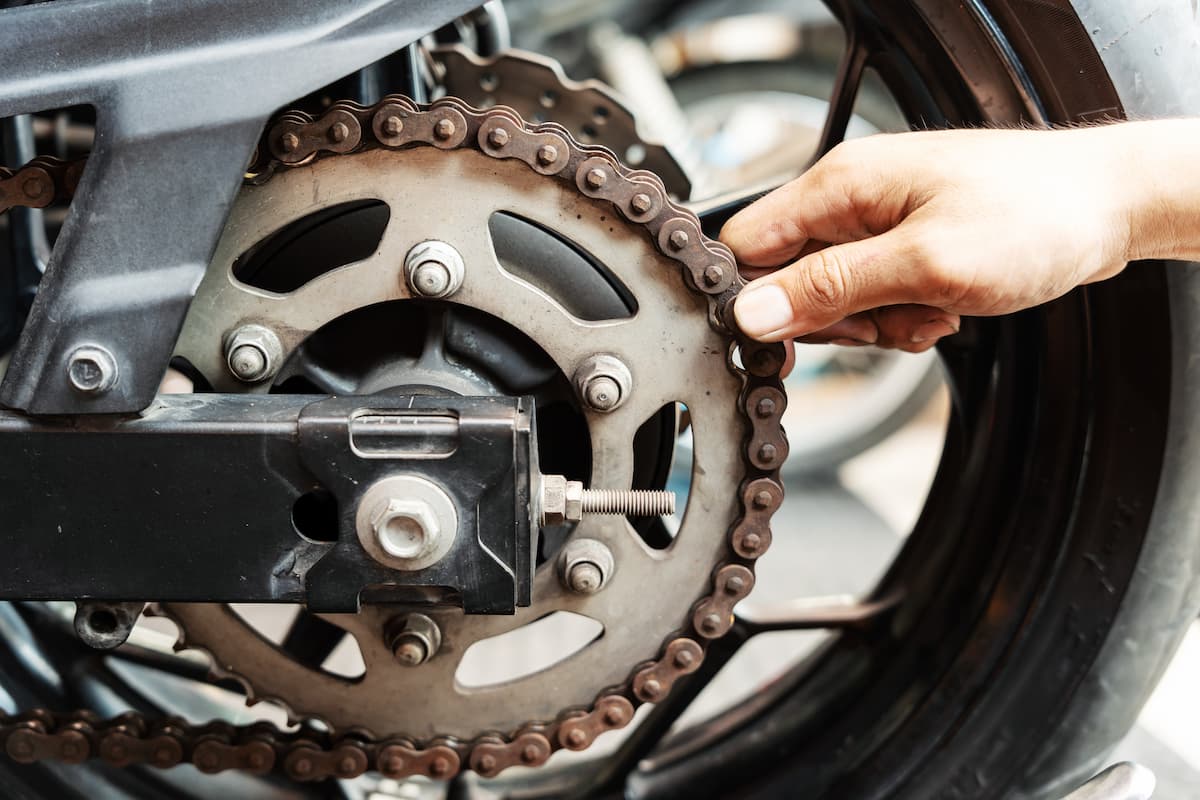
A chain drive motorcycle uses a metal roller chain to connect the front sprocket at the transmission to the rear sprocket on the wheel. It is one of the most common final drive systems because it is light, efficient, and relatively easy to service.
Chains are especially popular on motorcycles built for performance, dirt riding, and rider customization. Changing sprocket sizes can alter acceleration or cruising feel, which gives enthusiasts more control over how the bike responds.
Pros, Cons, and Maintenance of a Chain Drive
Chain drive systems transfer power well and tend to feel direct and responsive. Replacement parts are widely available, and repairs are often more affordable than belt or shaft work.
The main downside is upkeep. Chains need regular cleaning, lubrication, adjustment, and inspection. A neglected chain can stretch, rust, bind, damage the sprockets, or fail while riding.
A good maintenance routine includes checking chain slack, looking for tight spots, cleaning off grime, applying chain lube, and inspecting sprocket teeth. Hooked or pointed sprocket teeth are a sign that replacement may be due. Riders who spend time in rain, dirt, or dusty conditions should check their chains more often.
What to Expect from a Belt Drive Motorcycle
A belt drive motorcycle uses a reinforced toothed belt instead of a metal chain. The belt connects pulleys at the transmission and rear wheel, creating a quieter, cleaner riding experience with very little routine upkeep.
Belt drives are common on cruisers because they suit relaxed street riding well. There is no chain lube, less mess around the rear wheel, and fewer adjustments compared with a chain. For riders who want a low-maintenance ownership experience, that is a big advantage.
A belt is not ideal for every situation, though. Sharp rocks or debris can damage the belt, which makes this system less common on serious off-road machines. Replacement may also be more expensive or labor-intensive, depending on the motorcycle.
Pros, Cons, and Maintenance of a Belt Drive
A belt drive can last a long time under normal street riding conditions and gives many cruisers a smooth, refined feel. It is a strong fit for riders who spend most of their time on paved roads and prefer less hands-on maintenance.
The main downside is durability in rough conditions. A rock caught between the belt and pulley can tear or weaken the belt, and improper tension can lead to premature wear.
Maintenance is mostly inspection-based. Riders should check for cracks, missing teeth, fraying, cuts, and embedded debris. The pulleys should also be inspected for damage or unusual wear. Belt tension should always follow the manufacturer’s recommendation.
The Great Debate: Belt Drive vs. Chain Drive Motorcycle
Belt and chain systems are often compared because they serve many of the same bikes but appeal to different riders.
Chain drive tends to feel more direct, which is why it remains common on sport bikes, dirt bikes, dual sports, and performance-focused motorcycles. It also gives riders more flexibility to change sprocket sizes and adjust the bike’s acceleration or cruising feel.
Belt drive is usually the better fit for riders who spend most of their time on paved roads and want less mess, less noise, and fewer routine adjustments. Cruisers and casual street bikes benefit from that smooth power delivery and cleaner ownership experience.
Performance and Longevity: Belt Drive vs Chain Drive
For performance and adjustability, chain drive usually has the edge. For quiet operation and lower day-to-day maintenance, belt drive is hard to beat. A properly cared-for belt can last a long time on clean paved roads, while chain and sprocket replacement is usually more affordable and easier to source.
Our suggestion? Choose chain if you want performance, off-road capability, or gearing flexibility. Or, go with belt if you prefer smooth street riding with less routine upkeep.
The Benefits of a Shaft Drive Motorcycle
A shaft drive motorcycle uses a driveshaft and gears to send power to the rear wheel. The system is enclosed, which helps protect it from dirt, water, and road debris.
This setup is common on touring motorcycles, sport-touring bikes, and some adventure models. Riders who put on serious mileage often appreciate shaft drive because it requires less routine attention than a chain and is less exposed than a belt.
Key benefits include:
- Low routine maintenance: Shaft systems do not need chain lube or frequent tension adjustments.
- Clean operation: Since the system is enclosed, there is no chain grease on the wheel or swingarm.
- Long-distance durability: Shaft drive is well suited to road trips, touring days, and high-mileage riding.
- Weather resistance: Rain, mud, and grit have less direct impact on an enclosed shaft system.
- Smooth riding feel: Many touring riders enjoy the planted, steady feel of a shaft-driven motorcycle.
The tradeoff is weight and cost. Shaft systems are heavier than chains or belts, and repairs can be more expensive if something goes wrong. Some riders also notice a different feel during hard acceleration. For touring comfort and long-term convenience, though, shaft drive remains a strong option.
FAQs
Which Motorcycle Drive System Is Best for Beginners?
Beginners can do well with any drive system as long as the motorcycle itself fits their size, confidence level, and riding goals. Belt drive may be appealing because it requires less routine maintenance. Chain drive is also beginner-friendly if the rider is willing to learn basic cleaning, lubrication, and adjustment.
Do Belt Drive Motorcycles Last Longer Than Chain Drive Motorcycles?
Belt drives often last longer than chains under normal street conditions, especially when kept clean and properly tensioned. Chains may wear faster, but they are easier and often cheaper to replace. Riding style, maintenance habits, weather, and road conditions all matter.
Find Your Perfect Ride at Fay Myers Motorcycle World
Final drive systems are just one way to figure out which motorcycle fits your life and driving style. At Fay Myers Motorcycle World, our team can help you compare new and pre-owned motorcycles with different drive systems, engine styles, and maintenance needs. We can also help with parts, service, and more.
Visit our Greenwood Village showroom or browse our inventory online to find your next motorcycle.
Image Source: kasarp studio/Shutterstock