After a long winter in storage, your motorcycle needs attention before you send it back out on the road. Cold temperatures, moisture, old fuel, and a lack of use can take a toll on mechanical components, tires, fluids, and electrical systems. How to get your motorcycle ready for spring goes beyond improving performance; it’s an important step to ensure rider safety and confidence.
Whether you’re a seasoned rider or getting back in the saddle for the first time this year, a practical motorcycle maintenance checklist will help you make sure that your bike is reliable and roadworthy. And if you’d rather leave the heavy lifting to professionals, the Fay Myers Motorcycle World Service Department is ready to help with tune‑ups, inspections, and full spring motorcycle maintenance services.
Let’s walk through what every rider needs to inspect before the warm weather fully arrives.
The Ultimate Motorcycle Maintenance Checklist
Spring motorcycle maintenance begins with a systematic review of key systems: electrical, fluids, tires, brakes, and controls. Here’s how to tackle each area effectively.
Maintaining Your Motorcycle Battery and Electrical System
Winter storage can be particularly tough on batteries. Low temperatures and lack of use cause batteries to self‑discharge, and over time, this can lead to sulfation and reduced capacity.
Battery Inspection & Charging
- Remove the battery (if stored off‑bike) and inspect it for corrosion or damage.
- Use a quality motorcycle battery charger or trickle charger to bring it back to full charge.
- Look for corrosion around terminals and clean them with a terminal brush and electrical cleaner if needed.
- Ensure all connections are tight.
Electrical System Check
- Turn the ignition on and test all lights: headlights, taillights, brake lights, and turn signals.
- Test the horn, hazard lights, and any aftermarket electronics.
- Check the starter by pressing the start button – the bike should crank smoothly. If it hesitates, the battery may need replacement or the starter circuit should be inspected.
Pro tip: If your bike sat all winter without a battery tenders or smart charger, consider a new battery. It’s one of the most common spring maintenance needs.
What Maintenance Does a Motorcycle Need for Fluids and Filters?
Your bike’s engine and performance systems rely heavily on clean fluids and functional filters. Old gas, dirty oil, and clogged filters can reduce performance and cause long‑term damage. If you are wondering what maintenance a motorcycle needs regarding fluids, spring is the best time to reset the system.
Fuel System
- Drain old fuel if it has been sitting for more than a few months. Old gasoline can varnish the tank and carburetor or clog injectors.
- Add fresh fuel and a fuel system cleaner to help dissolve any deposits.
Engine Oil & Filter
- Change your engine oil and replace the oil filter.
- Warm the engine first if possible, since warm oil drains more completely.
- Check your owner’s manual for recommended oil weight and interval.
Coolant
- Inspect coolant level in the radiator or reservoir.
- Look for signs of old or discolored coolant and flush if needed.
- Top off with fresh coolant as recommended for your bike.
Brake & Clutch Fluids
- Inspect brake and clutch fluid levels.
- If fluids are dark or cloudy, it’s a good idea to flush and replace them.
- Check for leaks around master cylinders and brake lines.
Air Filter
- Remove the air filter and check its condition. A dirty air filter restricts airflow and reduces engine performance.
- Wash or replace if clogged with dust or debris.
Tire Safety and Brake Inspection
Worn tires and weak brakes are a dangerous combo. Proper tire and brake maintenance are essential for safe handling, cornering, and stopping. This is a vital part of any motorcycle maintenance checklist.
Before your first ride, give everything a thorough look.
Tires
- Check tire pressure according to your owner’s manual. Keep in mind that PSI changes with temperature.
- Inspect tread depth and look for cracks, flat spots, dry rot, or punctures.
- Tires that sat in one position all winter may have flat spots. Ride carefully at first and consider replacement if performance feels compromised.
Brake System
- Inspect brake pads for wear. Thin pads mean it’s time for new ones.
- Check discs/rotors for grooves or warping.
- Squeeze the brake levers. They should feel firm, not spongy.
Final Safety Check: Lights, Controls, and Chain
Before you start your engine, give your bike a final once‑over. It’s a simple way to catch small issues before they turn into roadside problems while you’re maintaining your motorcycle.
Lights & Signals
- Test headlights (high and low beams), turn signals, brake lights, license plate light, and any auxiliary lighting.
- Replace bulbs or fix wiring issues before hitting the road.
Controls
- Roll the throttle. It should snap back to idle smoothly.
- Check clutch and brake lever action for stiffness or looseness.
- Test your steering bearings by moving the bike back and forth with the ignition off. Smooth movement means good bearings; rough or sticky movement may need attention.
Chain & Sprockets
- Inspect the chain for kinks, rust, or excessive slack.
- Clean and lubricate your chain.
- Check sprockets for wear – hooked or shark‑tooth shapes mean replacement is needed.
FAQs
To help you beyond the motorcycle maintenance checklist, here are some common questions riders ask about how to get your motorcycle ready for spring:
How often should I service my motorcycle?
Most riders follow manufacturer intervals for oil changes, chain maintenance, and major services. In general, a full spring tune‑up, including fluid changes, battery check, and tire inspection, is recommended if your bike sat unused for months.
Should I just ride without checking anything?
No. Skipping pre‑ride checks increases the likelihood of mechanical failure and safety hazards. Even experienced riders inspect their bikes before the season.
What if I don’t know how to perform these checks?
That’s okay – and pretty common! You can schedule a spring service appointment with our Service Department. Our technicians will inspect, tune, and prepare your bike so you can ride with confidence.
How much does spring maintenance cost?
Costs vary by bike, fluids used, and parts needed. Basic service starts with oil change and battery inspection, but replacing tires, brake pads, or filters adds to the total. Fay Myers can provide an estimate before work begins.
Where can I get parts and supplies available for DIY motorcycle maintenance?
Check out the Fay Myers Parts Department for oil, filters, batteries, cleaners, and more -everything you need for a DIY service. You can be confident that you’re investing in 100% authentic, top-quality parts that will keep your bike in great shape.
Need Help with Spring Motorcycle Maintenance? Visit Fay Myers Motorcycle World
Getting your motorcycle ready for spring is essential for riding safely and confidently. From battery checks and fluid changes to tire inspections and final control tests, the right preparation ensures your bike is ready for every mile.
If doing this work yourself seems daunting, or if your bike hasn’t been properly serviced in a while, Fay Myers Motorcycle World is here to help. Our experienced technicians can perform a full spring tune‑up, complete safety inspection, and any repairs needed to get you back on the road quickly and safely.
Prefer to do it yourself? Our Parts Department stocks high‑quality oil, filters, batteries, fluids, cleaners, and tools to keep your bike in peak shape all season long.
Schedule your spring service today, and get ready to make this your best riding season yet.
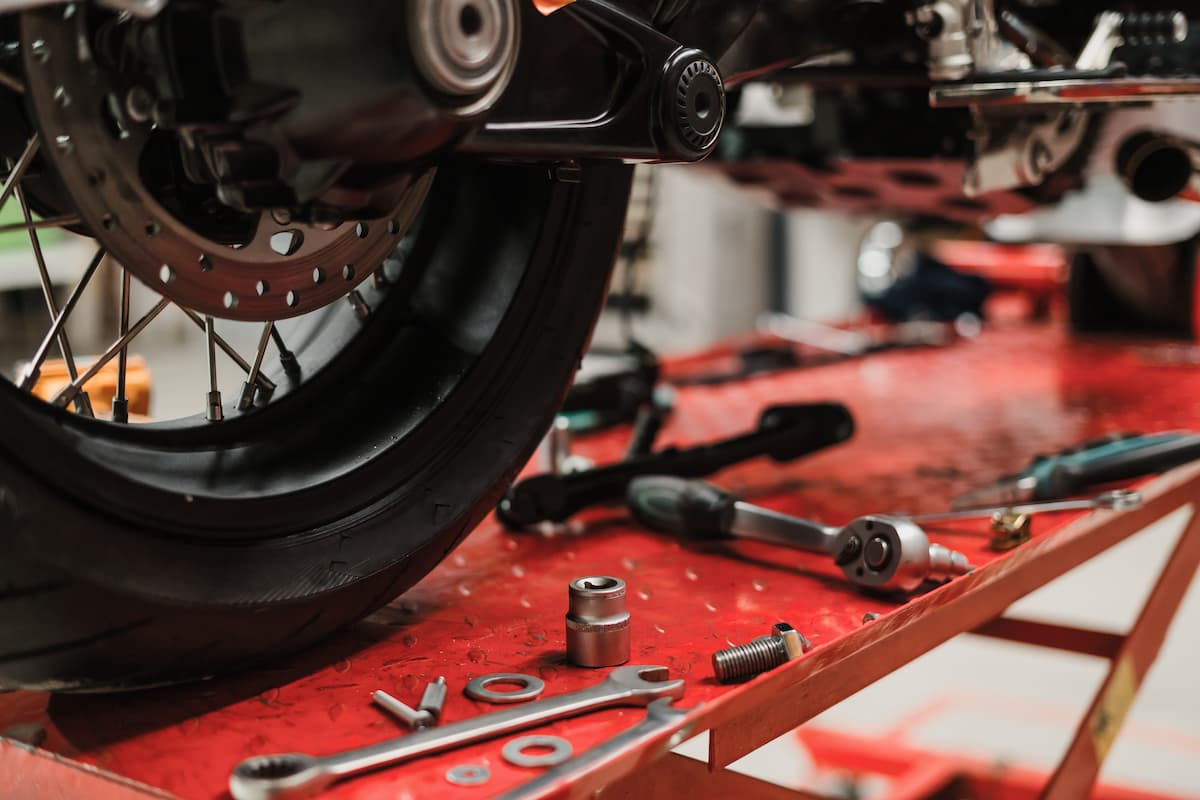
Image Source: Arthur Bargan/Shutterstock