There’s nothing quite like the feeling of riding a dirt bike. The sound of the engine, the freedom of open trails, and the challenge of changing terrain all make off-road riding incredibly rewarding. But before you twist the throttle, safety needs to come first – especially for new riders.
Whether you’re learning for the first time or brushing up on the basics, this dirt bike safety guide covers the essential gear, riding fundamentals, and Colorado-specific rules every rider should know. Riding responsibly not only keeps you protected, it also helps preserve trails and ensures everyone has a great experience out there.
Essential Gear and Bike Safety Tips Before You Ride
Proper gear is your first line of defense on a dirt bike. Off-road riding involves unpredictable terrain, loose surfaces, and frequent falls, even for experienced riders. Investing in quality protective equipment isn’t optional.
Here’s what every rider should wear before heading out:
- Helmet: A DOT-approved off-road helmet protects your head from impacts and debris. Look for proper ventilation and a snug fit.
- Goggles: Dust, rocks, and branches can cause serious eye injuries. Goggles provide clear vision and shield your eyes.
- Gloves: Dirt bike gloves improve grip, reduce vibration, and protect your hands in a fall.
- Boots: Off-road boots offer ankle support, shin protection, and sturdy soles for standing on pegs.
- Chest Protector or Body Armor: Protects your chest, back, shoulders, and elbows from impacts.
- Knee Braces or Guards: Knees are especially vulnerable in dirt riding. Protection here can prevent serious injury.
- Long-Sleeve Jersey and Riding Pants: Designed for abrasion resistance and flexibility, unlike everyday clothing.
Beyond gear, a few smart bike safety tips can dramatically reduce risk:
- Warm up your body and bike before riding
- Stay hydrated, especially at higher elevations
- Ride within your skill level
- Never ride alone if possible
- Carry basic tools and a first-aid kit
Solid preparation is the foundation of good dirt bike safety.
Understanding the Colorado Motorcycle Helmet Law and Off-Road Rules
Colorado has specific laws that apply to off-road motorcycle riders, and it’s important to understand them before hitting the trails.
Under the Colorado motorcycle helmet law, riders under the age of 18 are required to wear a helmet when operating or riding as a passenger on any motorcycle, including dirt bikes. While riders 18 and older are not legally required to wear a helmet on private or public land, helmets are strongly recommended for all riders regardless of age.
Additional off-road rules to know:
- Dirt bikes must display a valid Colorado OHV registration or permit when riding on public lands or designated trails.
- Spark arrestors are required on most public trails to reduce wildfire risk.
- Noise limits apply – excessively loud exhausts can lead to fines or trail closures.
- Trail access varies by location and season, so always check local regulations before riding.
Following these rules keeps you legal, protects access to riding areas, and creates a safer experience for everyone on the trail.
How to Ride a Dirt Bike: Basics for Beginners
Learning how to ride a dirt bike starts with mastering a few core fundamentals. Unlike street riding, dirt biking relies heavily on body position, balance, and throttle control.
Begin with these basics:
- Body Position: Keep your elbows up, knees slightly bent, and weight centered over the bike.
- Standing on the Pegs: Standing improves balance and allows the bike to move beneath you over rough terrain.
- Throttle Control: Smooth inputs prevent wheel spin and loss of traction.
- Clutch Use: Learn to feather the clutch to control power at low speeds.
- Braking Technique: Use both brakes, with emphasis on the front brake while keeping the bike stable.
New riders should practice in open, flat areas before progressing to more technical trails. Take your time building muscle memory and confidence, because rushing leads to mistakes.
Key Dirt Bike Riding Tips for Mastering Different Terrains
Once you’re comfortable with the basics, adapting to different terrain types becomes the next challenge. These dirt bike riding tips will help you stay controlled and confident in a variety of conditions:
- Sand: Keep steady throttle and lean back slightly to keep the front wheel light.
- Mud: Maintain momentum and avoid sudden braking, which can cause sliding.
- Rocky Trails: Stand up, loosen your grip, and let the bike move beneath you.
- Hills: Lean forward when climbing and use engine braking when descending.
- Ruts: Stay loose and look ahead – don’t fight the handlebars.
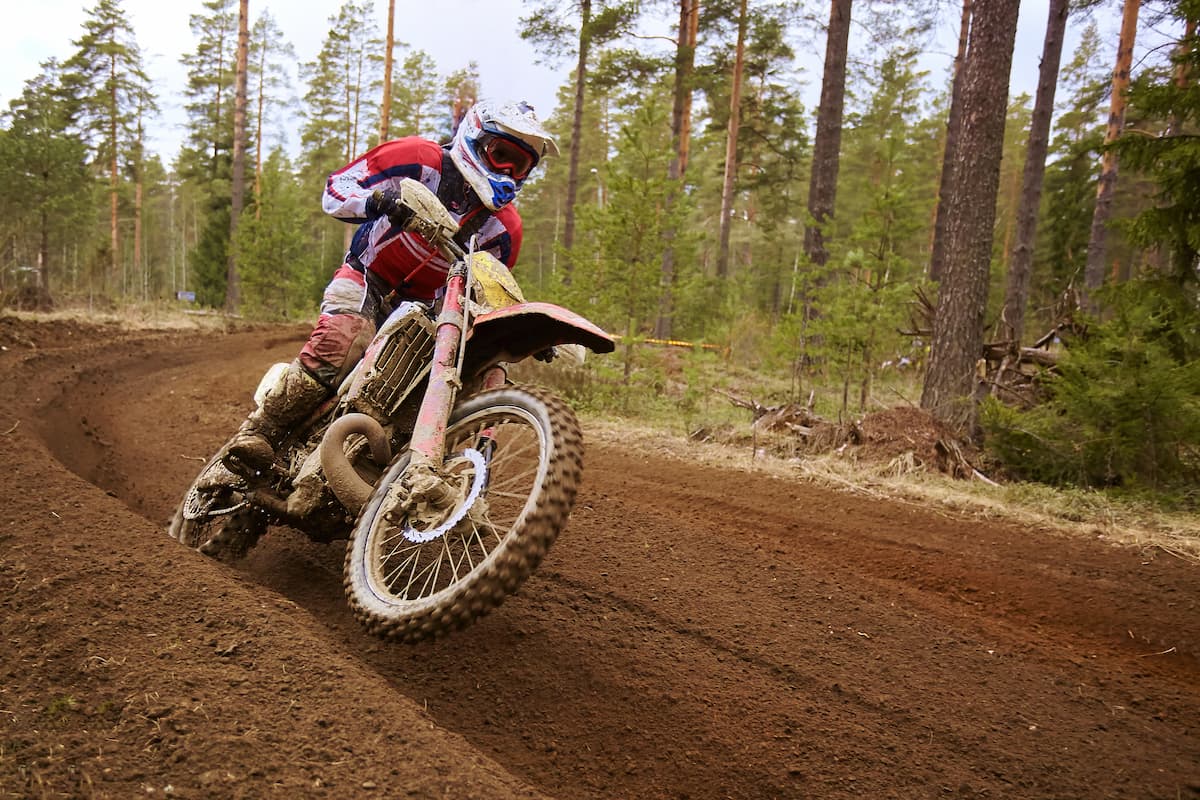
- Tight Turns: Shift your weight to the outside peg and keep your eyes on the exit.
Every terrain requires a slightly different approach, but staying relaxed and focused makes all the difference.
Maintenance Checks for a Safe Ride
A well-maintained bike is a safer bike. Before every ride, take a few minutes to inspect key components:
- Tires: Check pressure and look for damage or excessive wear.
- Brakes: Make sure pads and levers are working properly.
- Chain: Confirm proper tension and lubrication.
- Controls: Make sure throttle, clutch, and kill switch function smoothly.
- Fluids: Check oil and coolant levels.
- Bolts and Fasteners: Tighten anything that may have loosened during previous rides.
Routine maintenance not only prevents breakdowns but also reduces the chance of accidents caused by mechanical failure.
FAQs: Dirt Bike Safety & Beginner Riding Questions
What gear do I need for safe dirt bike riding?
At a minimum, every rider should wear a DOT-approved helmet, goggles, gloves, a long-sleeve jersey, durable pants, boots that cover the ankle, and body armor (chest protector, elbow/knee guards). Riding without this gear greatly increases your risk of injury.
Is dirt bike riding safe for beginners?
Yes, if you start with the right bike, wear the proper gear, and practice in a safe environment. Many beginner-friendly models have manageable power and ergonomic controls to help new riders build confidence gradually.
How do I choose the right dirt bike as a beginner?
Look for a bike with a lower seat height, a smaller engine (125cc–250cc for most adults), and smooth power delivery. Brands like Honda, Kawasaki, and KTM offer great entry-level models.
Do I need a motorcycle license to ride a dirt bike in Colorado?
Not for off-road use on designated trails. However, if you plan to ride on public roads or OHV areas that require a license plate, a valid motorcycle endorsement and vehicle registration may be required.
What’s the best way to learn how to ride a dirt bike?
Take a certified dirt bike safety course, start in wide open spaces, and practice throttle control, braking, and body positioning before hitting tougher terrain.
Shop Safety Gear and Dirt Bikes at Fay Myers Motorcycle World
Riding safely starts with the right equipment – and the right bike. At Fay Myers Motorcycle World, we take rider safety seriously and are proud to support both new and experienced riders with quality gear and expert guidance.
We carry a wide selection of beginner-friendly dirt bikes designed to be manageable, reliable, and confidence-inspiring. Our team can help you choose the right model based on your size, experience level, and riding goals. We also stock helmets, protective gear, and accessories to ensure you’re fully prepared before your first ride.
If you’re new to off-road riding or looking to upgrade your setup, Fay Myers is here to help you ride smarter and safer. Browse our inventory online or visit our Greenwood Village showroom to get started. With the right preparation and the right support, your dirt bike journey can be thrilling – and safe – from day one.
Image Source: Teemu Tretjakov/Shutterstock